

Complex Systems
Made Visible
Build living worlds of people, agents, institutions, events, and story worlds to observe patterns, test scenarios, and make hidden dynamics visible.
Simulation as a Medium for Understanding
Emergentic helps event teams, researchers, cultural institutions, organizations, creators, and game studios build living models of complex systems and story worlds.
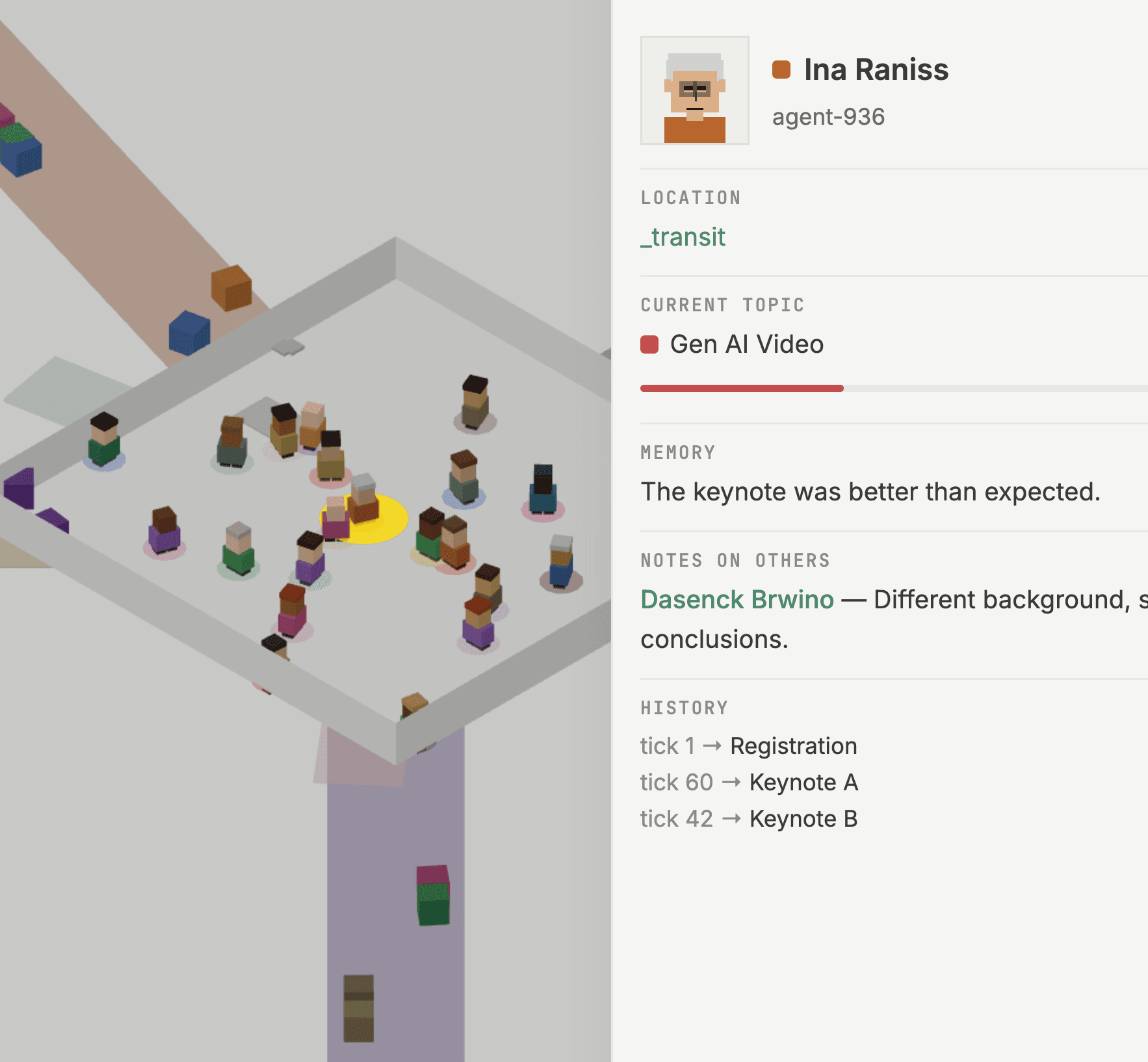
Research & Social Systems
Study how relationships, incentives, information, and environments shape coordination, trust, conflict, and collective behavior.
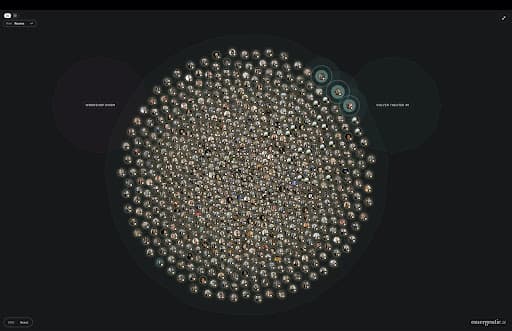
Institutions & Public Experiences
Explore how roles, authority, rules, and communication channels shape participation in organizations, events, and civic systems.
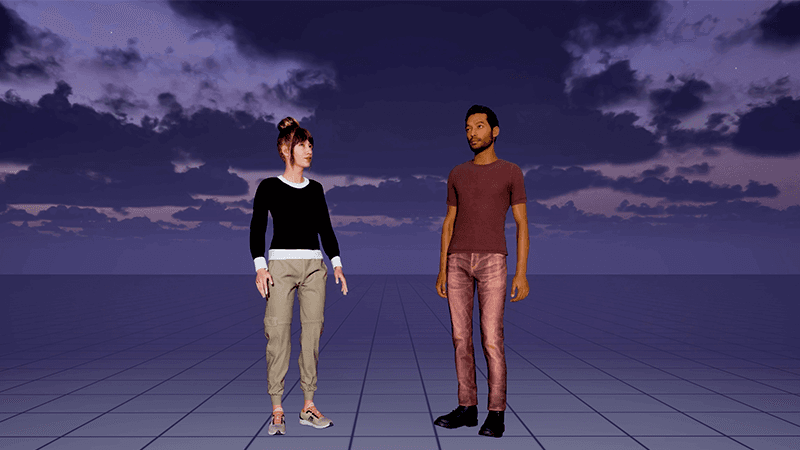
Interactive Worlds & Culture
Use the API and Unreal Engine plugin to bring multimodal, vision-capable agents into expressive 3D worlds and test how environments and affordances shape behavior.
Built with Emergentic
Early work exploring simulation, storytelling, culture, and collective behavior.

Conflicts
2024
Living simulation of intimate conflict, using AI doubles to expose what computational models can perform and what they cannot feel.

The Game of Whispers
2025
Interactive story world where embodied agents spread rumors, form alliances, and show how power and truth move through narrative.
AI on the Lot
2026
Public simulation for a gathering of roughly 2,000 people at Amazon MGM Studios, modeling participation, conversation, and event-scale social dynamics.
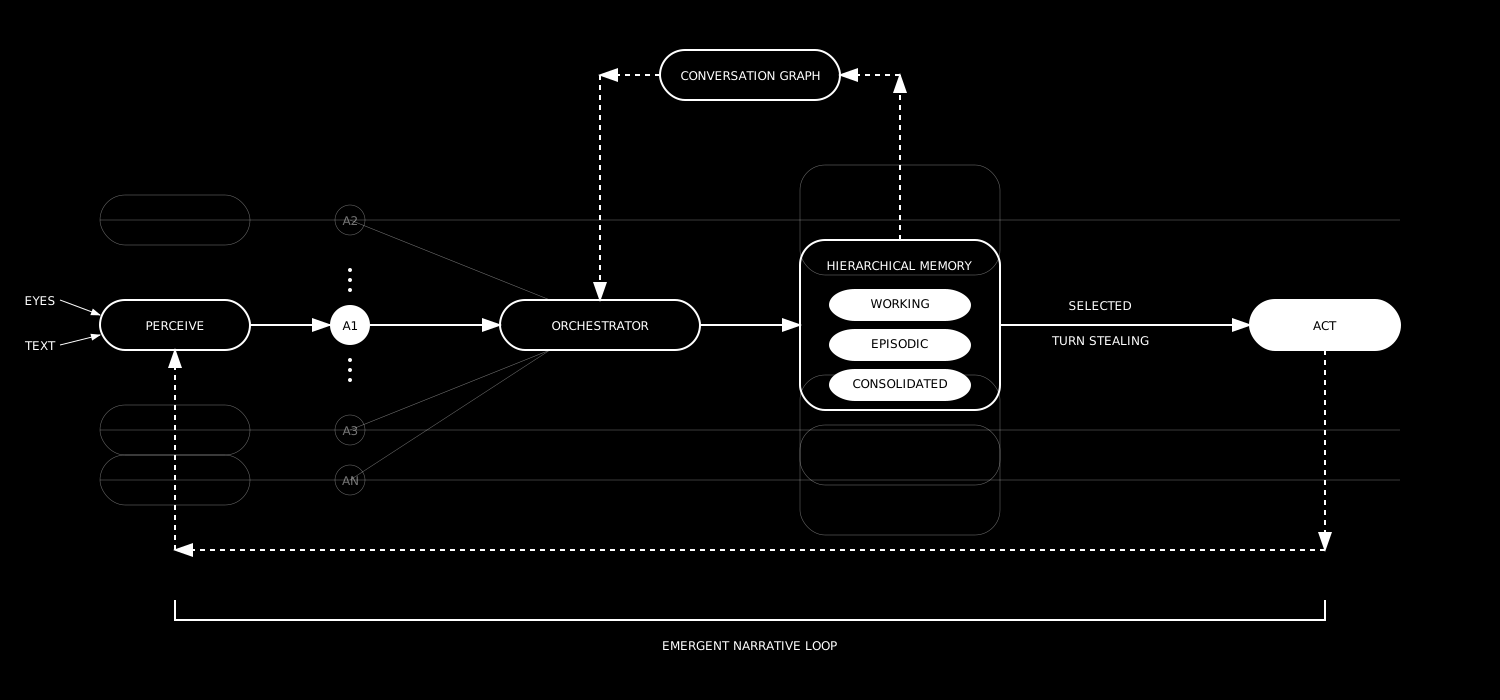
Research Connecting Authored Worlds to Multi-Agent Behavior
Our NeurIPS 2025 work explores how embodied agents, designed environments, and interaction traces can support emergent storytelling and collective behavior research.
Orchestrating Emergent Storytelling with Embodied Multi-Agent Systems
Read our research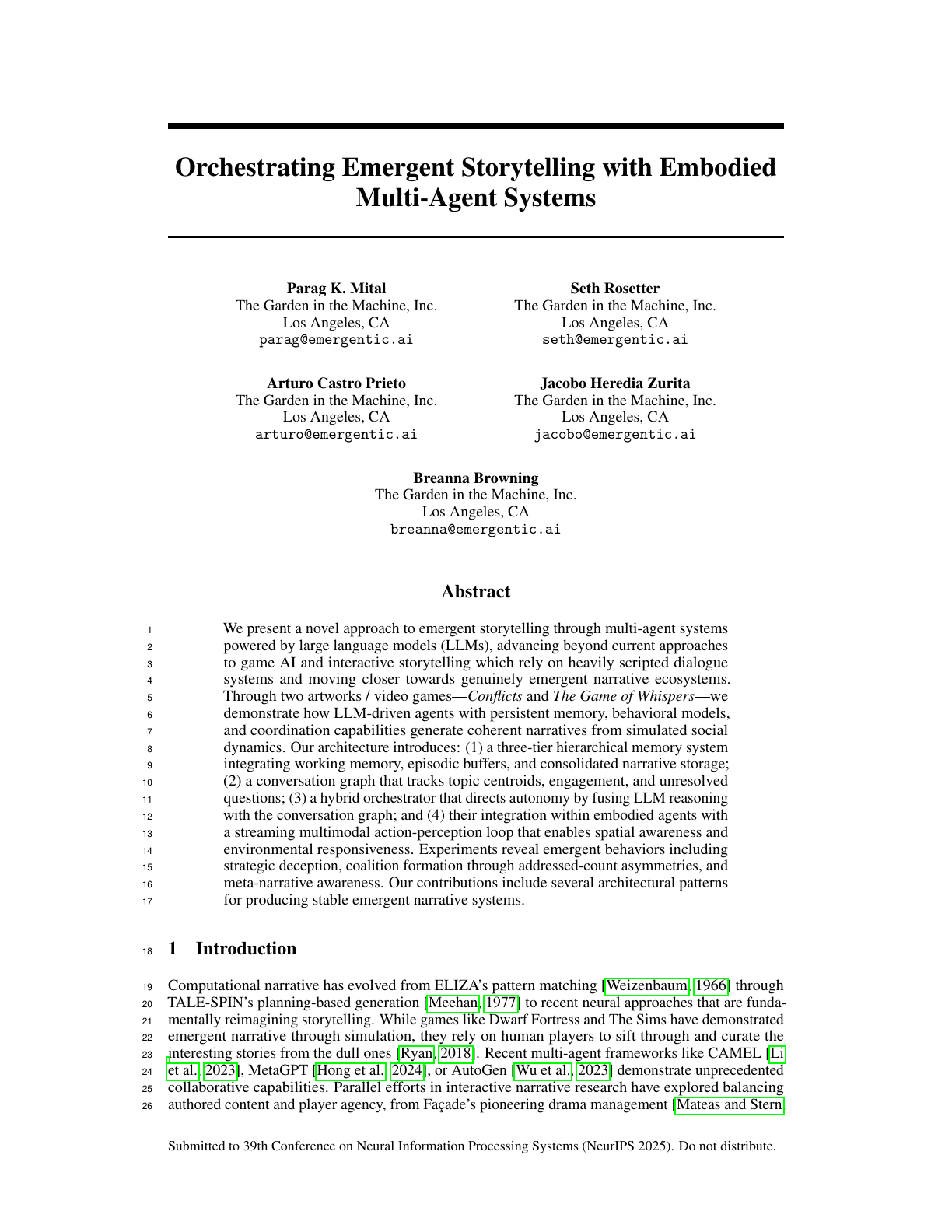
From Question to Observable System
Define the system, run scenarios, inspect interactions, and use the traces to explore what might emerge.
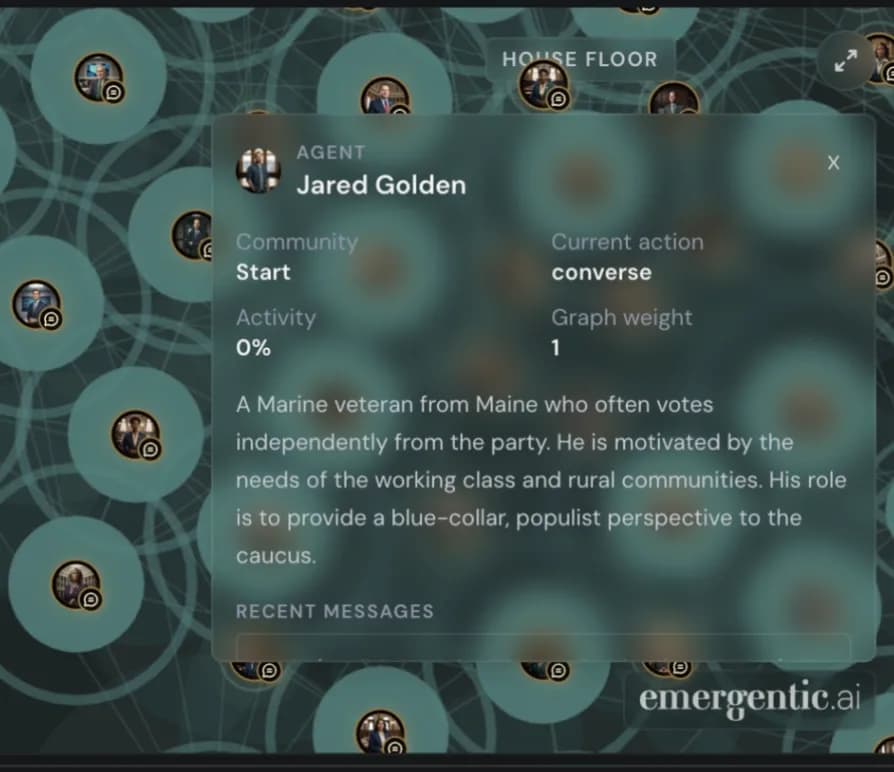
Step 01
Model the system around the deployment
Define the people, agents, roles, authority, rules, permissions, communication channels, and environments that shape the outcome.
Step 02
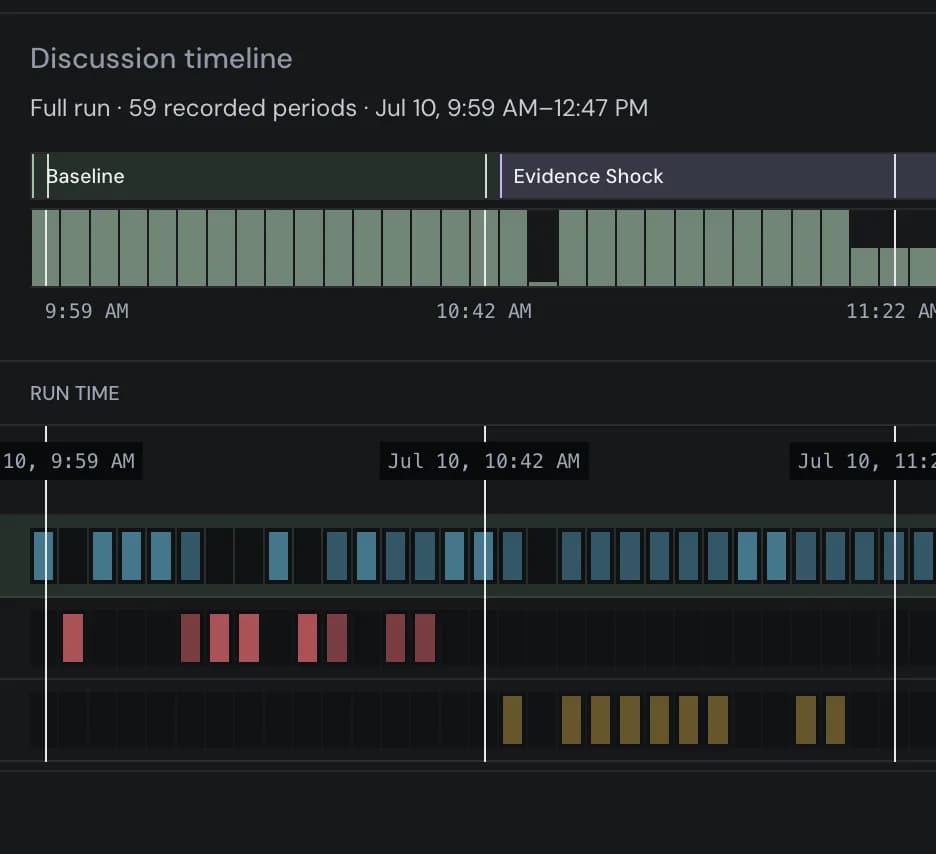
Run scenarios and controlled changes
Introduce agents, policies, tools, incentives, or shocks, then compare how interaction patterns unfold across conditions.
Step 03
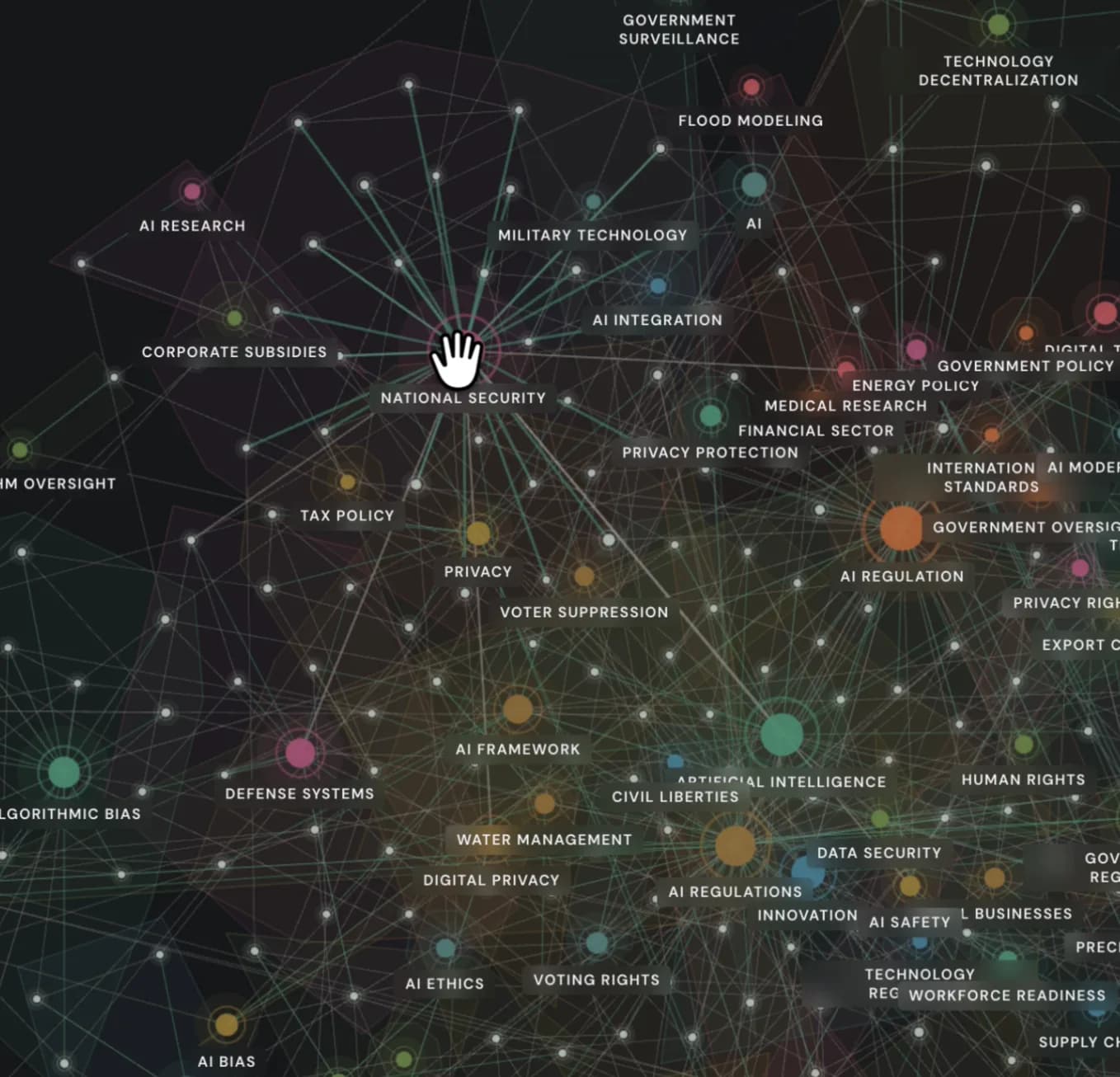
Inspect the evidence
Follow topics, relationships, claims, actions, and safety signals back to the source events that produced them.
Bring Your Agents Into a Shared, Observable World
Connect people, hosted and external agents, tools, and 3D clients under shared roles, permissions, and world state. Preserve the interaction trace for review.
Connect external agents
Bring terminal agents and external runtimes into a shared world through SSH and APIs.
Bring embodied clients
Connect Unreal and Unity clients to place characters, people, and interactive experiences inside the same simulation.
Share tools and state
Give people, agents, tools, and outside services a governed environment with shared state and replayable traces.
Infrastructure for Simulation and Review
Build the system once, run it under different conditions, and carry the evidence into deployment reviews, workshops, pilots, and public experiences.
Social System Modeling
Define roles, authority, relationships, knowledge boundaries, permissions, environments, and institutional rules.
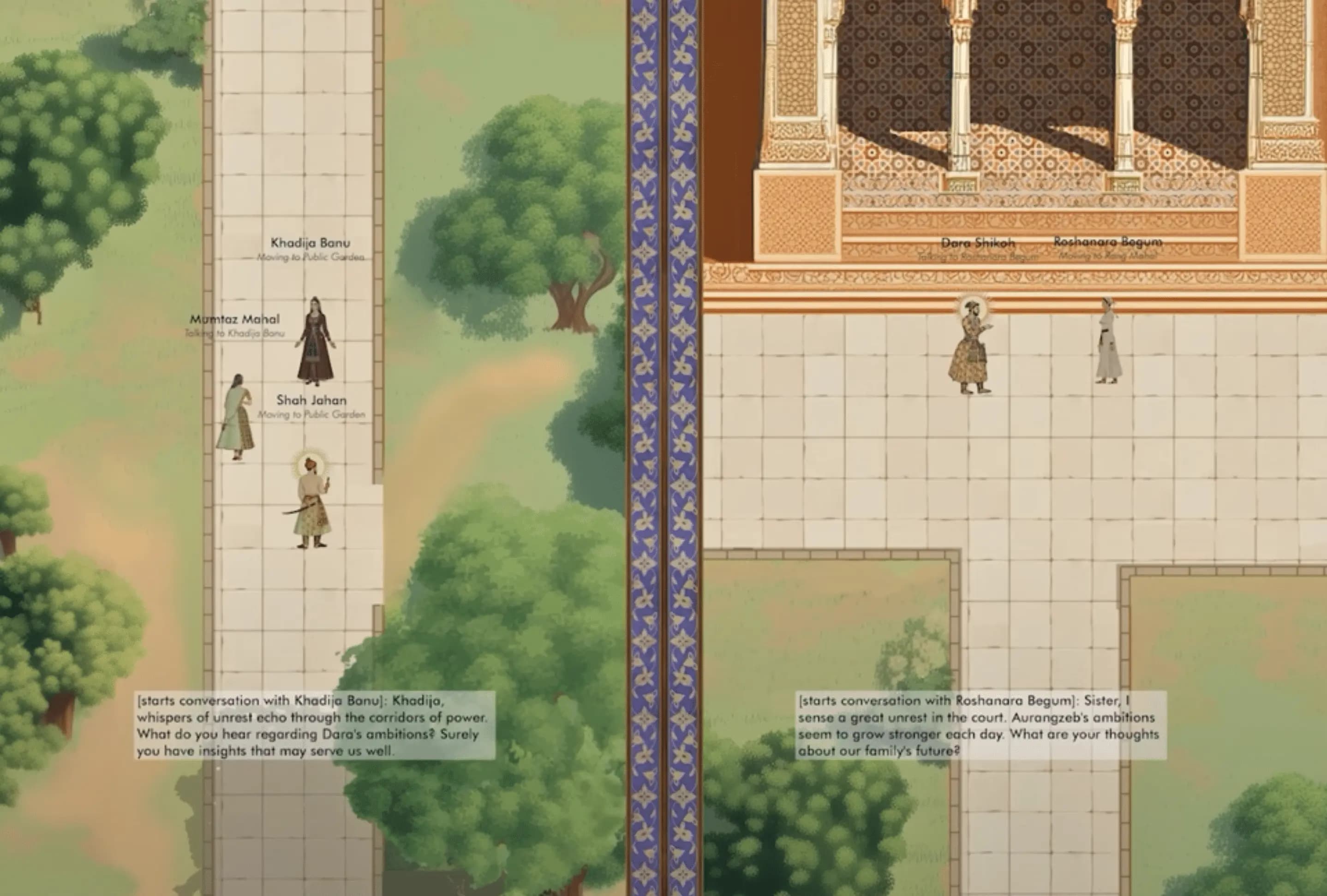
Situated Agents
Create people, organizations, and AI agents with goals, memory, relationships, tools, and access to shared world state.
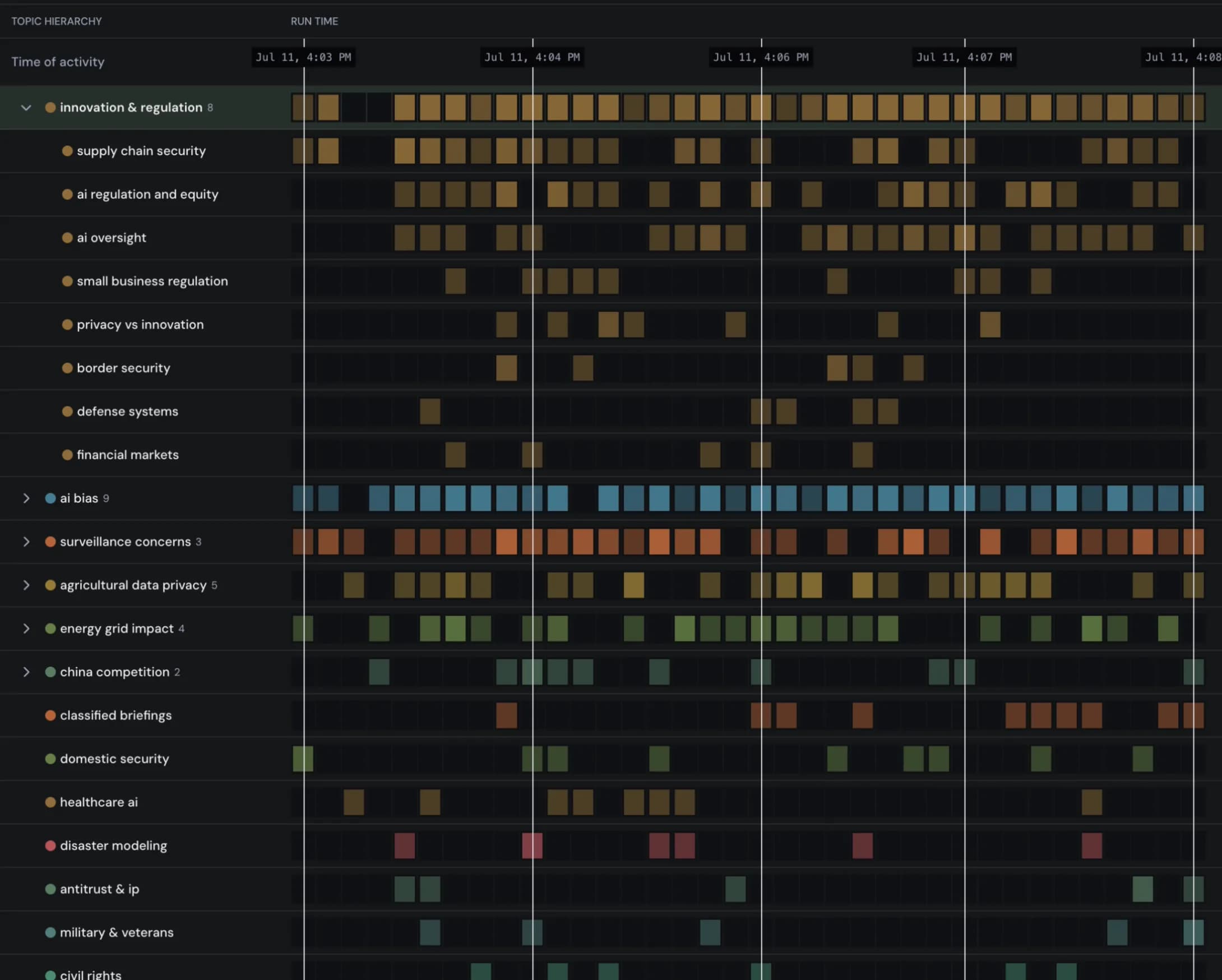
Scenario & Intervention Runs
Change policies, tools, incentives, communication channels, or environmental conditions and review what shifts.
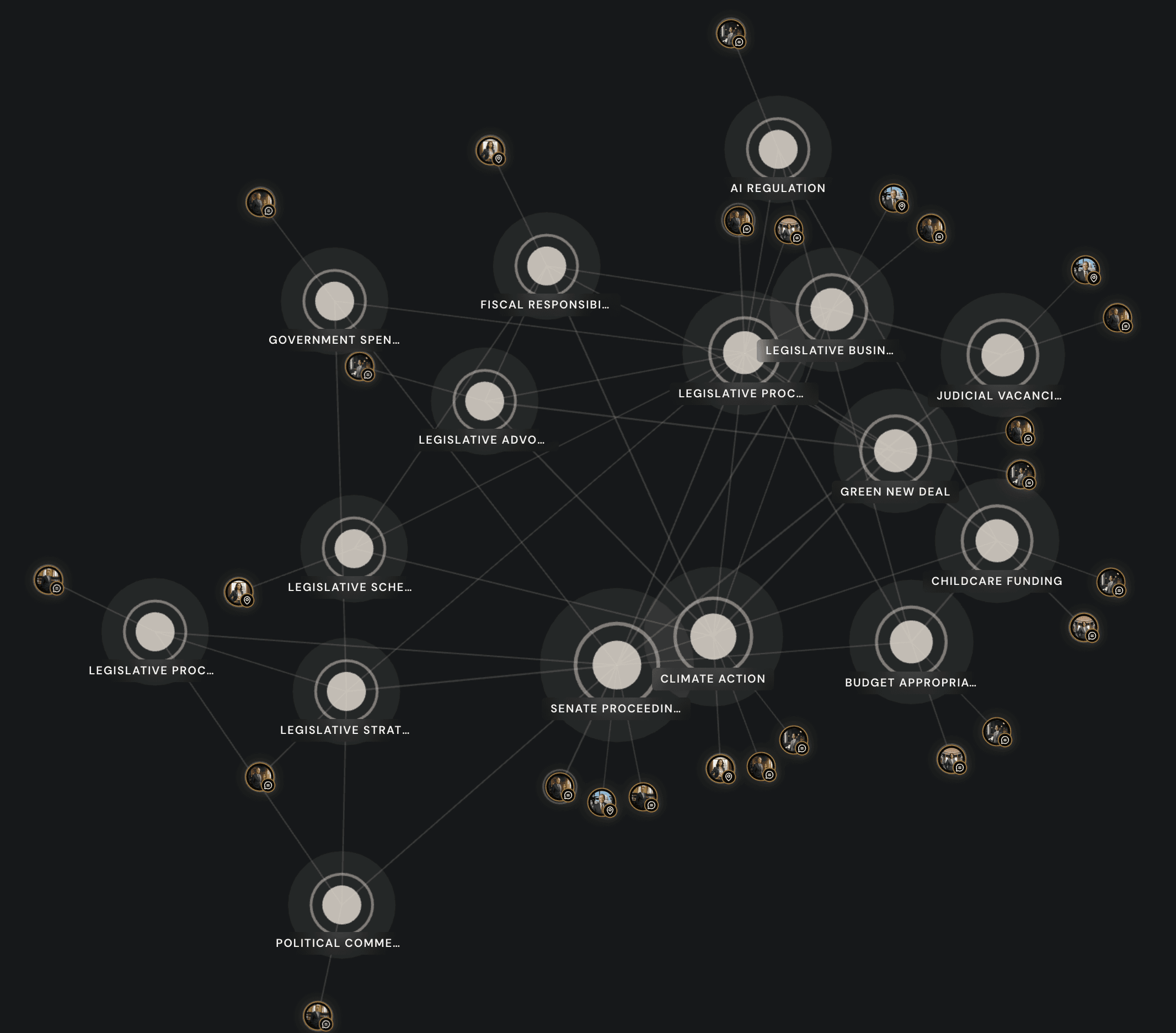
Simulation Analysis
Inspect topic dynamics, relationships, claims, actions, and safety signals with drilldown to source events.
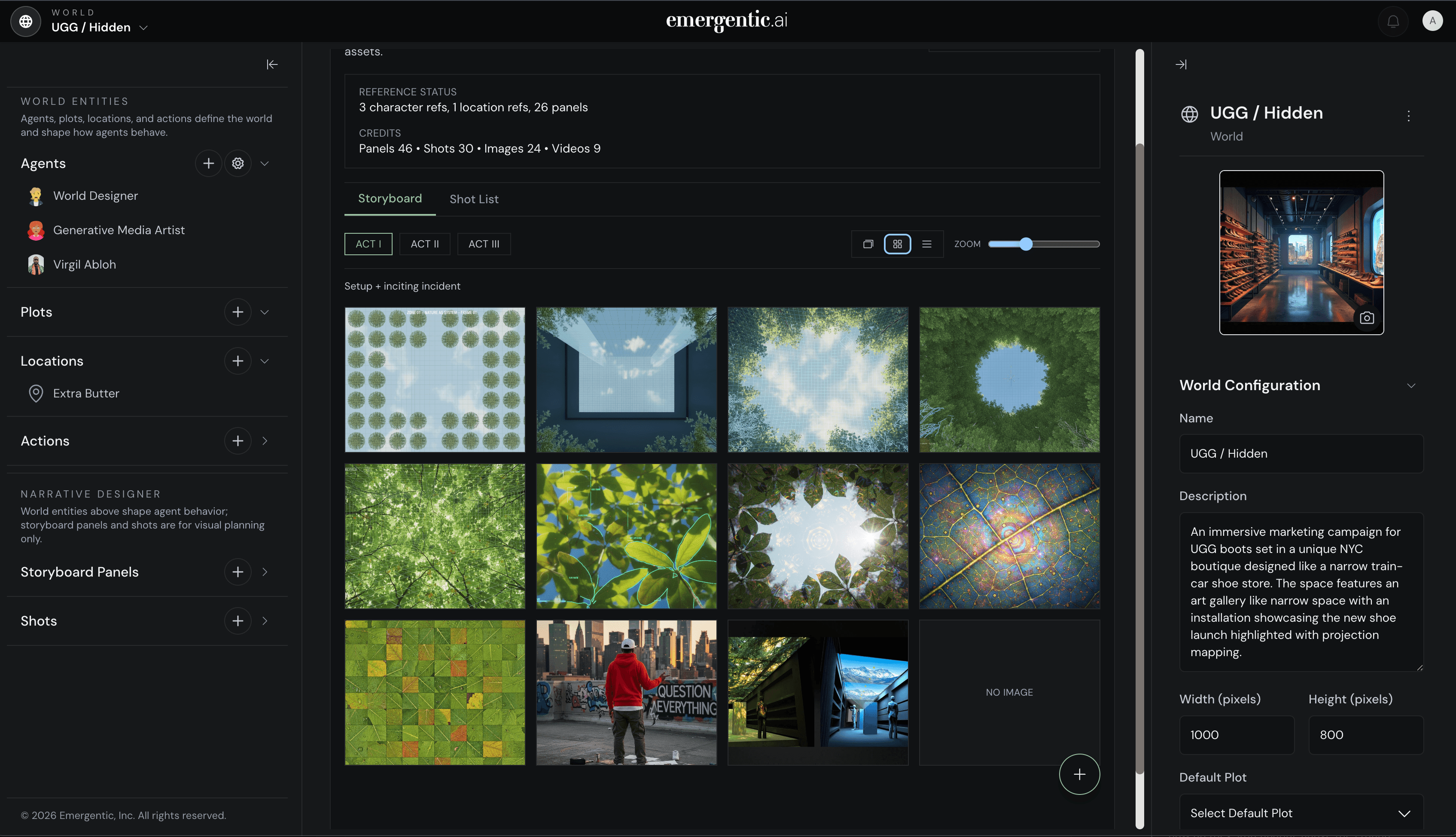
Narrative & Experience Design
Carry simulation context into reports, exhibits, games, prototypes, public engagement, or narrative work.
Open Shared Runtime
Connect hosted and external agents, people, tools, and 3D clients through the API and realtime runtime.
Start With One System. Scale to Ongoing Reviews.
Build and review an initial system for free. Add capacity, collaboration, and support as your simulation program grows.
Get in touch
Let's Explore Together
Tell us about the system, deployment, or experience you want to understand. We'll help you find the right starting point.