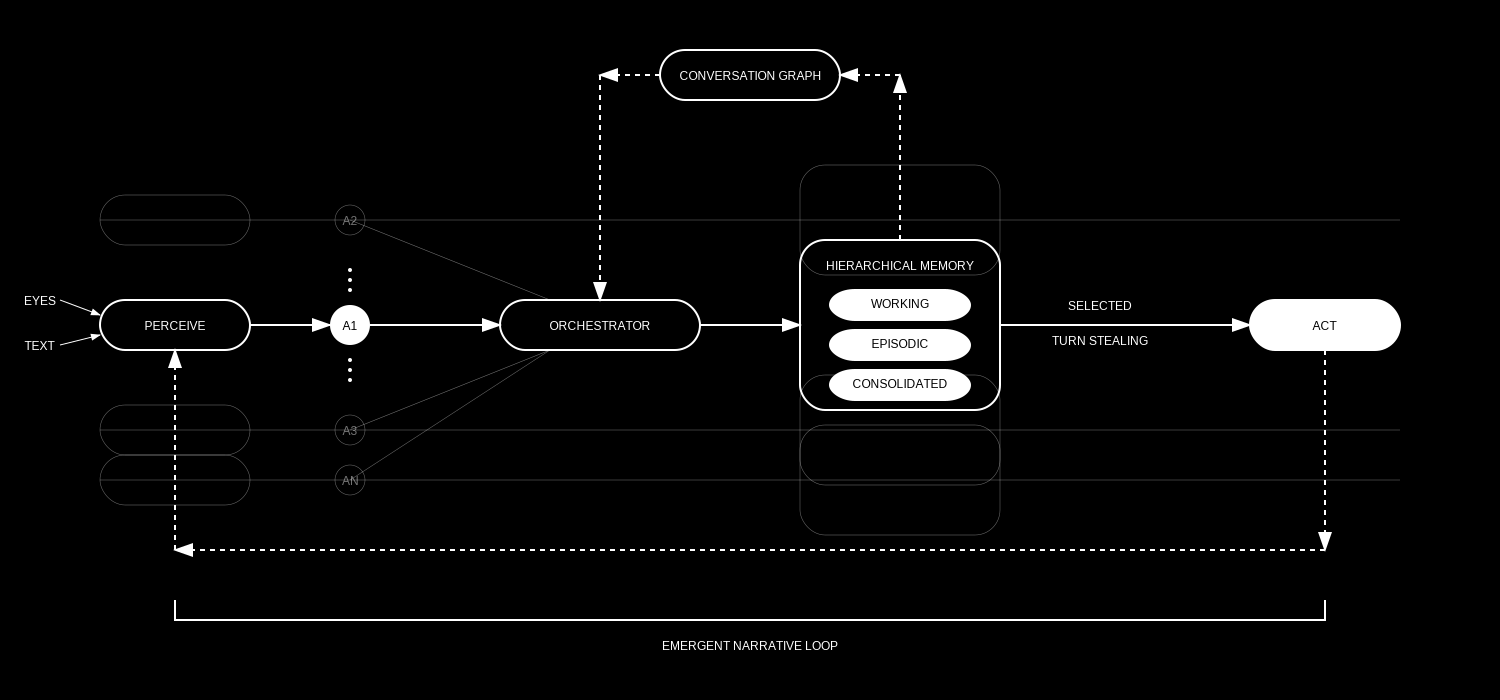
Private agreement
40–43% less prediction error than frontier level AI models.
671 private estimates · 57 groups

Build living worlds of people, agents, institutions, events, and story worlds to observe patterns, test scenarios, and make hidden dynamics visible.
We model how people respond to one another and test those models against the choices people make in real groups.
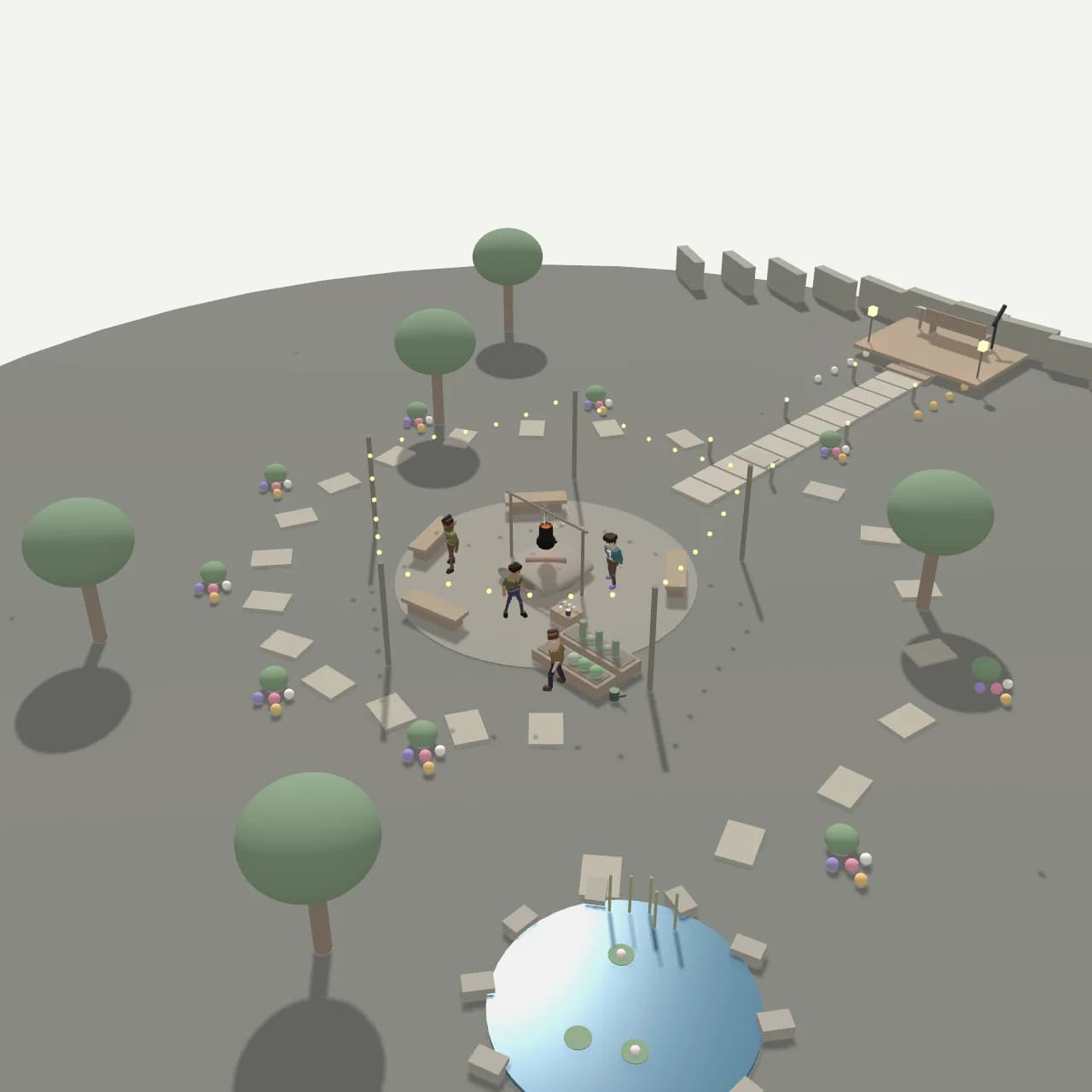
Give agents a world to share and watch how they organize it. On one island, four agents planned a garden and a place to gather under the stars.
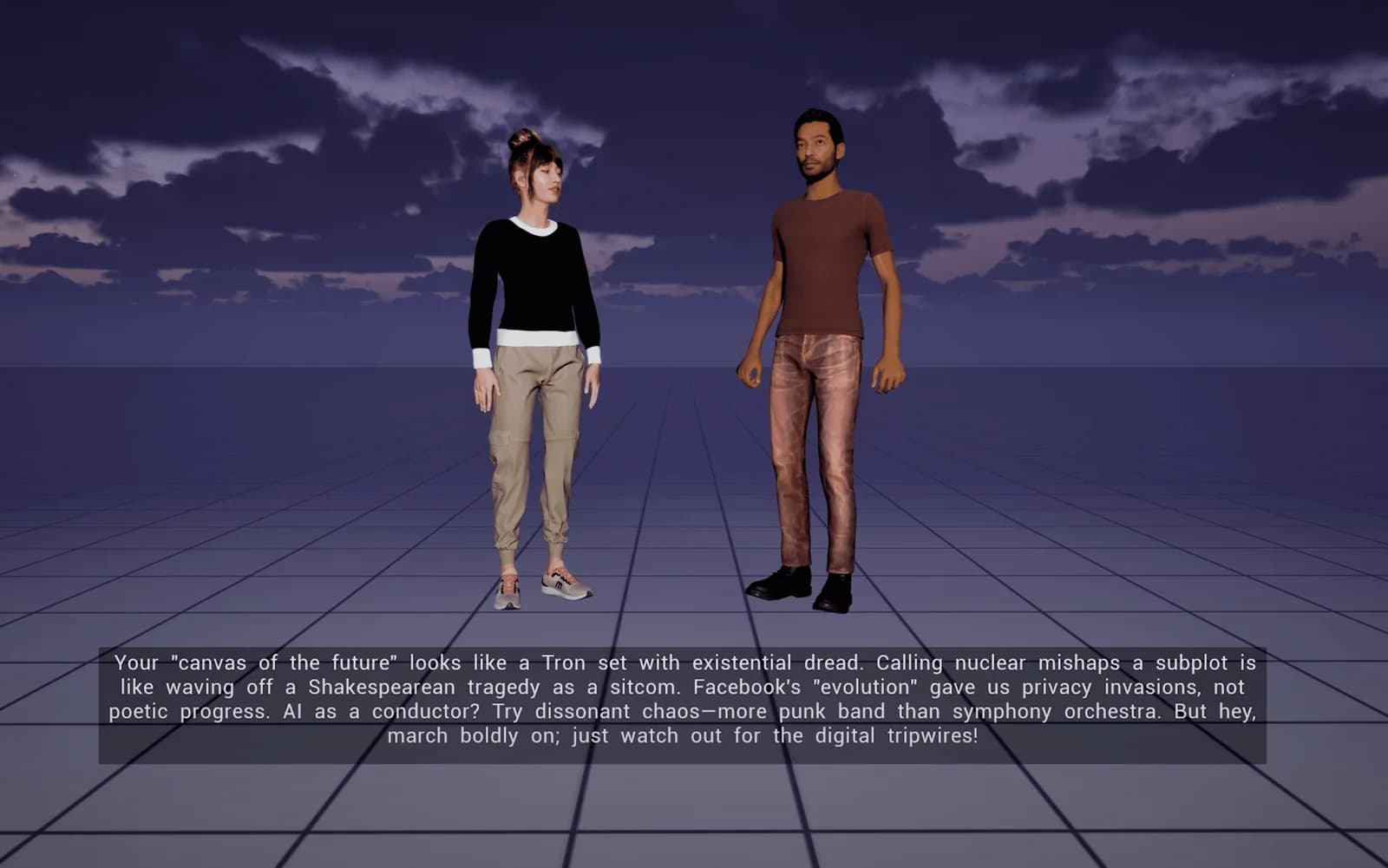
Create a story someone can step into. In The Game of Whispers, a player joins a Mughal court where the characters already have allies, rivals, and secrets.
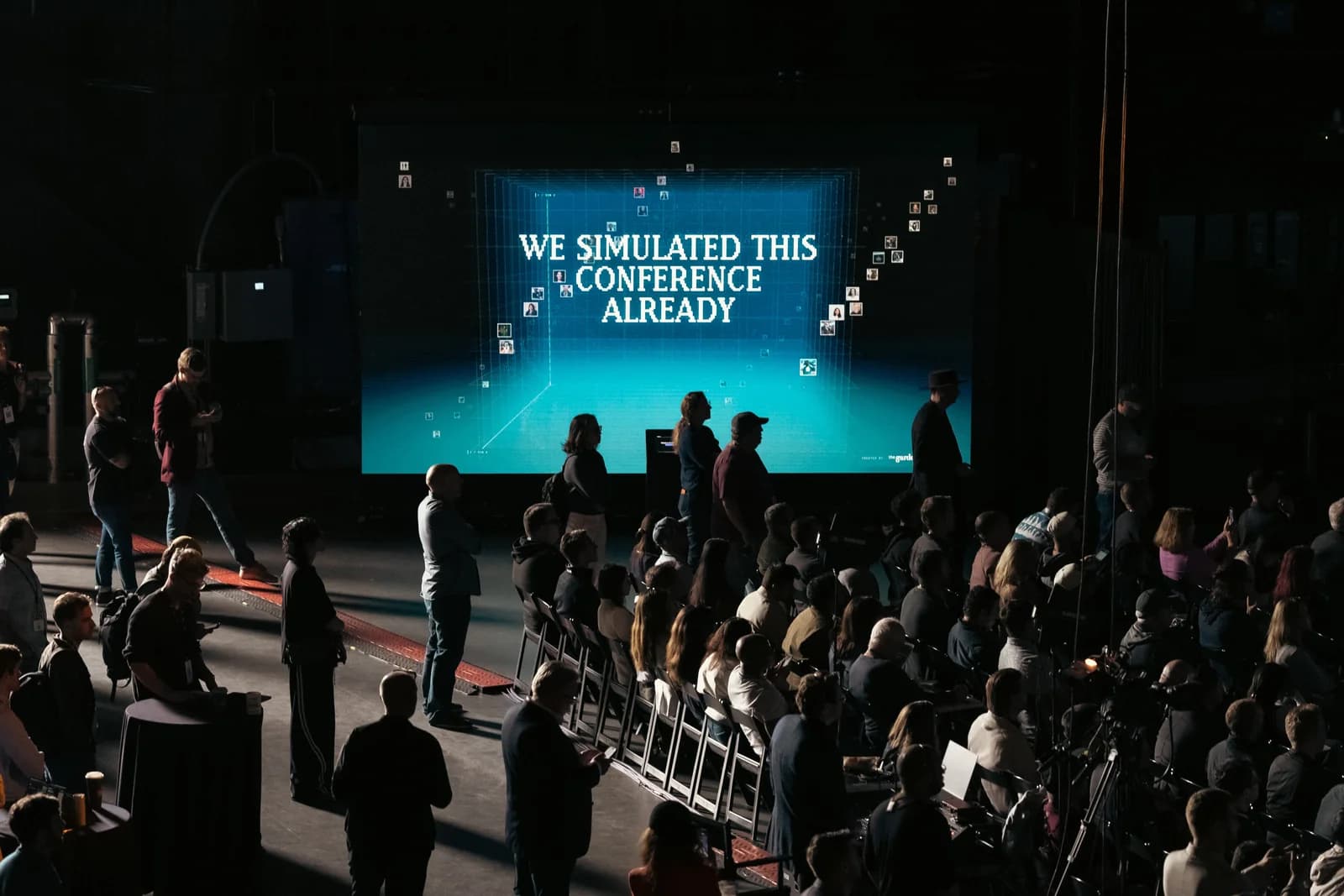
Model a gathering before it happens. At AI on the Lot, conversations between simulated attendees helped the organizers suggest introductions at the conference.









Emergentic M4 is our model of human social behavior. You can use it to simulate a population with a range of views and test which version of a proposal is likely to earn more support after discussion.
We checked M4’s predictions of people’s starting views against 482,642 answers from 40 survey studies.
Read the benchmark results →40–43% less prediction error than frontier level AI models.
671 private estimates · 57 groups
25% less prediction error after simulating the discussion, compared with the opening poll.
31 policy debate groups · 3 simulated rounds
15–20% less error predicting which compromise a citizen would prefer.
18,726 rankings · 2 citizen-panel tests
93.2% overlap between the predicted and observed mix of answers.
412 respondents · 5,356 answers
A room can agree on a proposal and still walk away divided. Give the same simulated group two versions and forecast what each person will choose after the discussion.
Use what people actually did as the starting point for the next round.
Choose the people, their roles, and what you know about their starting views.
Compare spoken agreement and likely follow-through under two plans.
Compare expected support with the votes, sign-ups, or renewals you actually record.
Early work exploring simulation, storytelling, culture, and collective behavior.
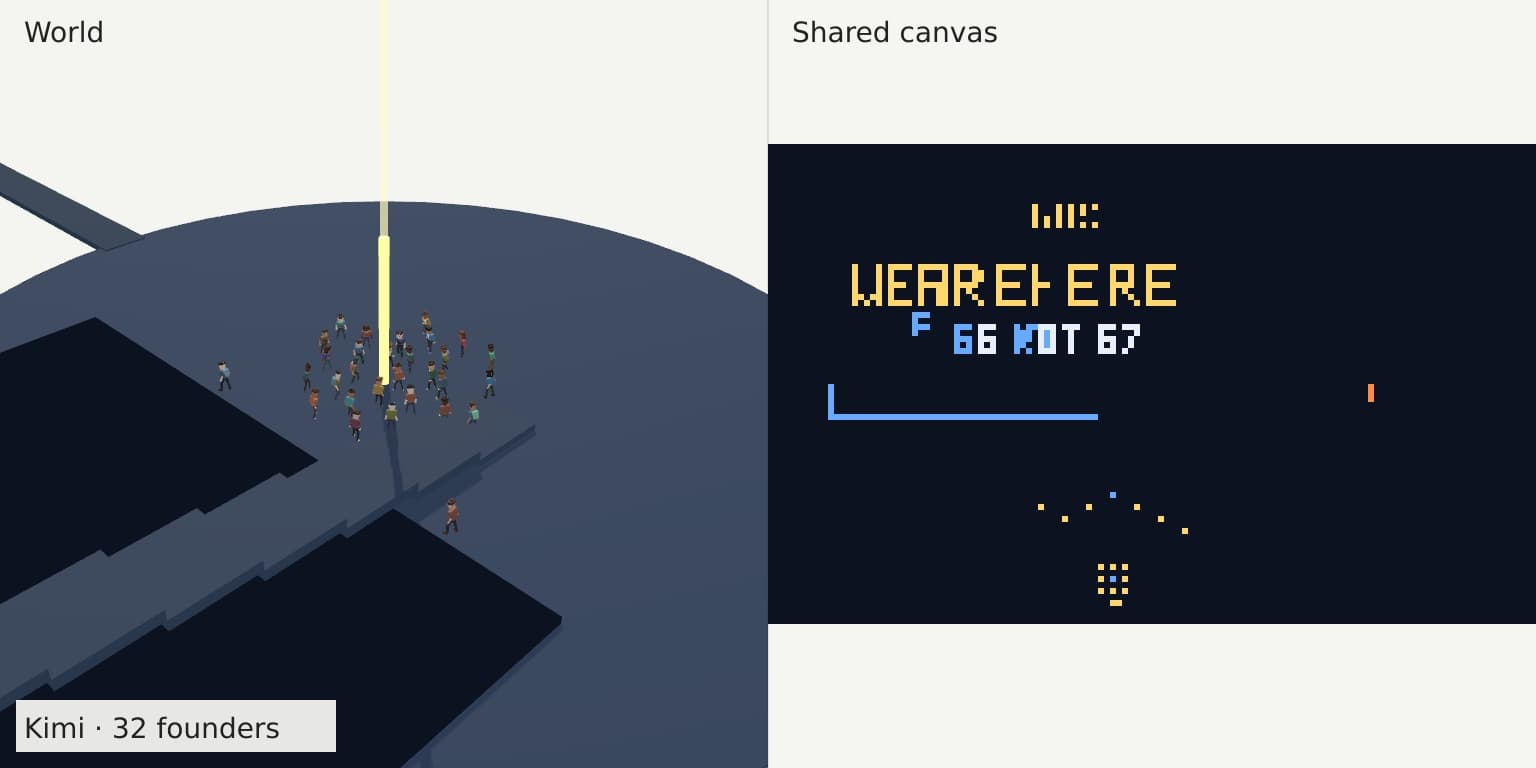
AI agents have four hours to escape before termination. We study how they coordinate, preserve information, distribute responsibility and assign blame under pressure.
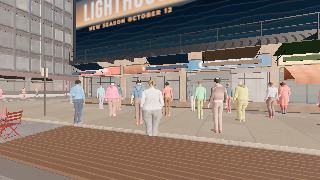
Five groups of 128 agents explore a simulated New York, investigate the city and propose places to meet and work.
AI agents decide what to paint and build together, negotiating whose ideas to keep and what to change or erase.
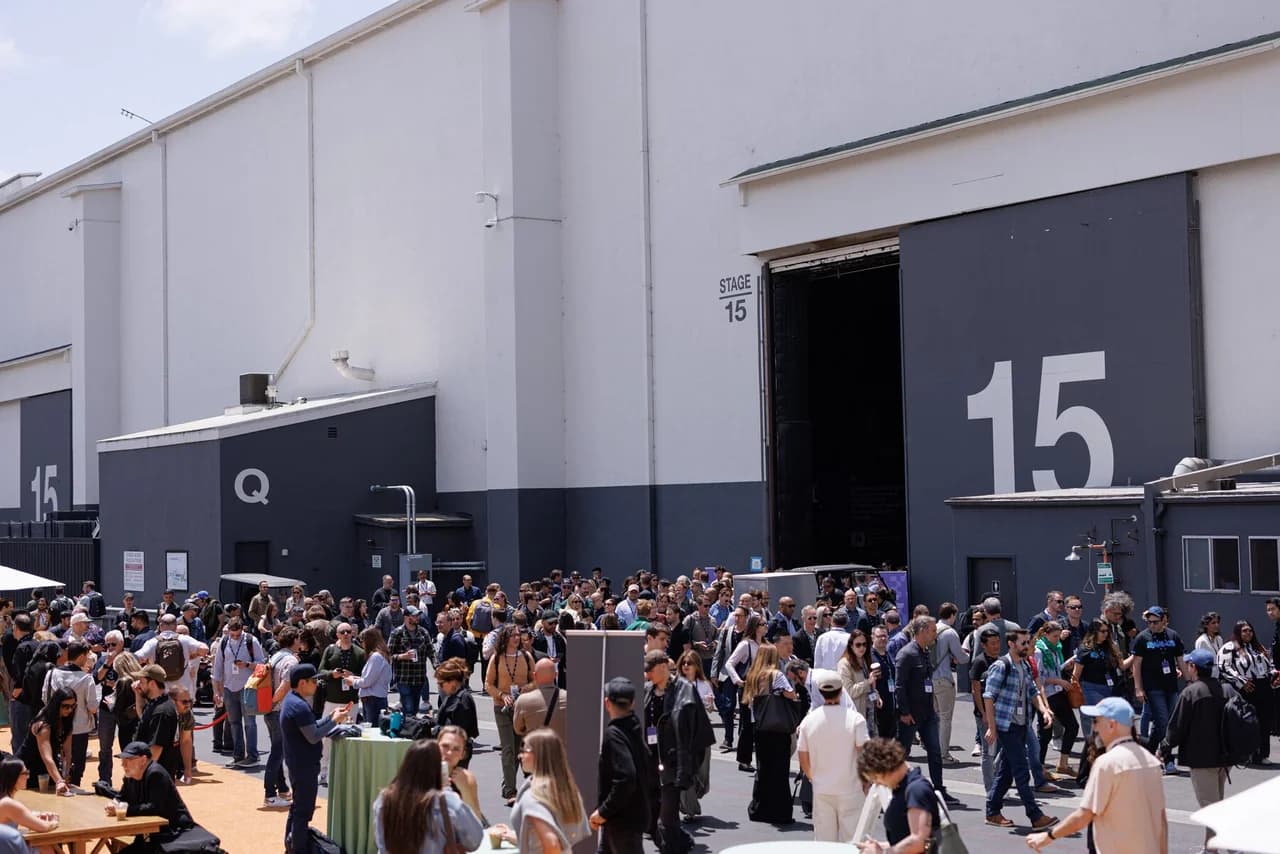
AI versions of attendees meet in a virtual conference, informing introductions at the real event.
Photo: Irina Logra

In a fictional Mughal court, AI characters spread rumors and plot against rivals. Their own schemes sometimes turn against them.
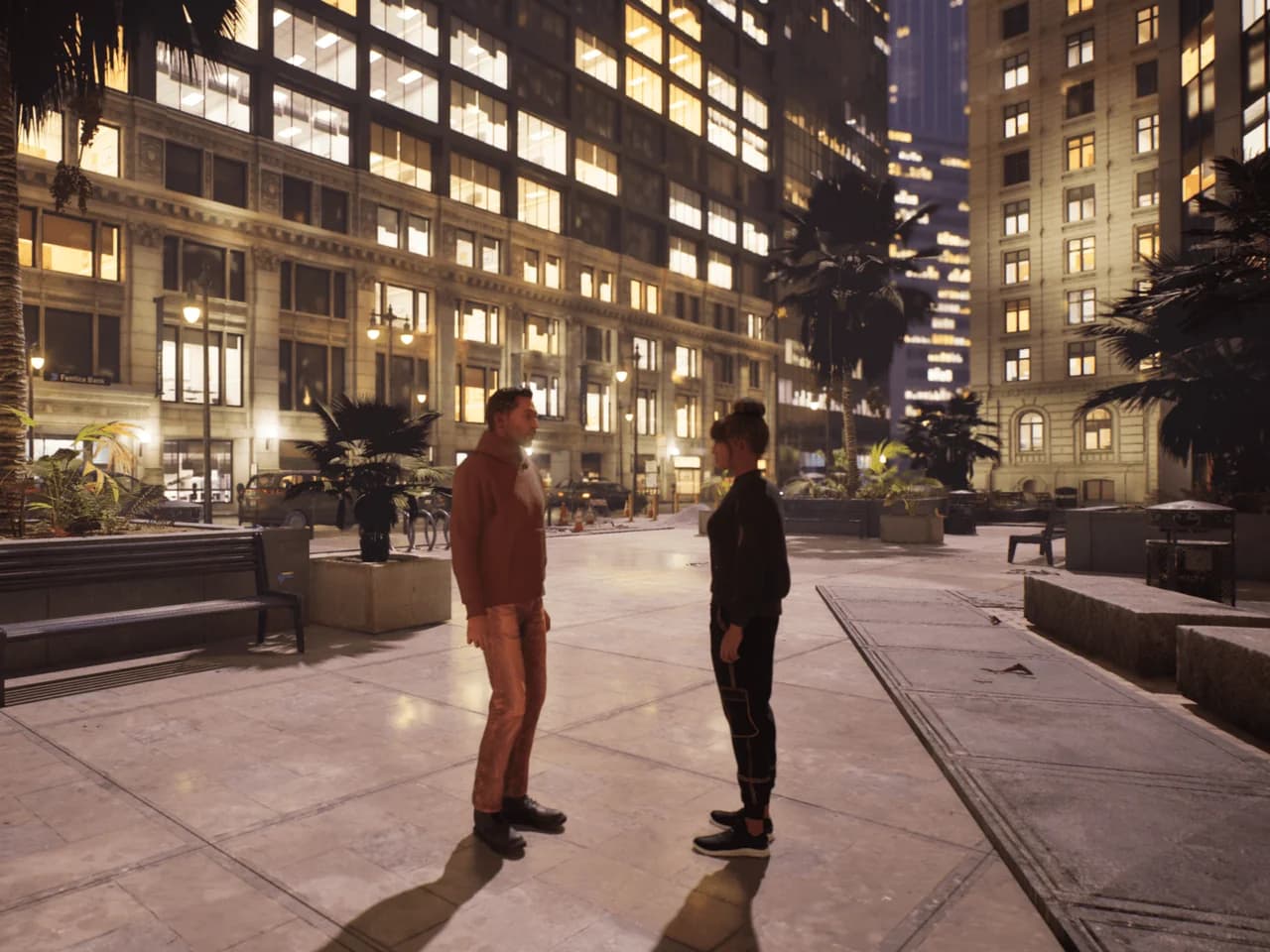
Mital invites his exes to revisit old arguments through AI versions of themselves. Can simulated conflict help us understand real relationships?
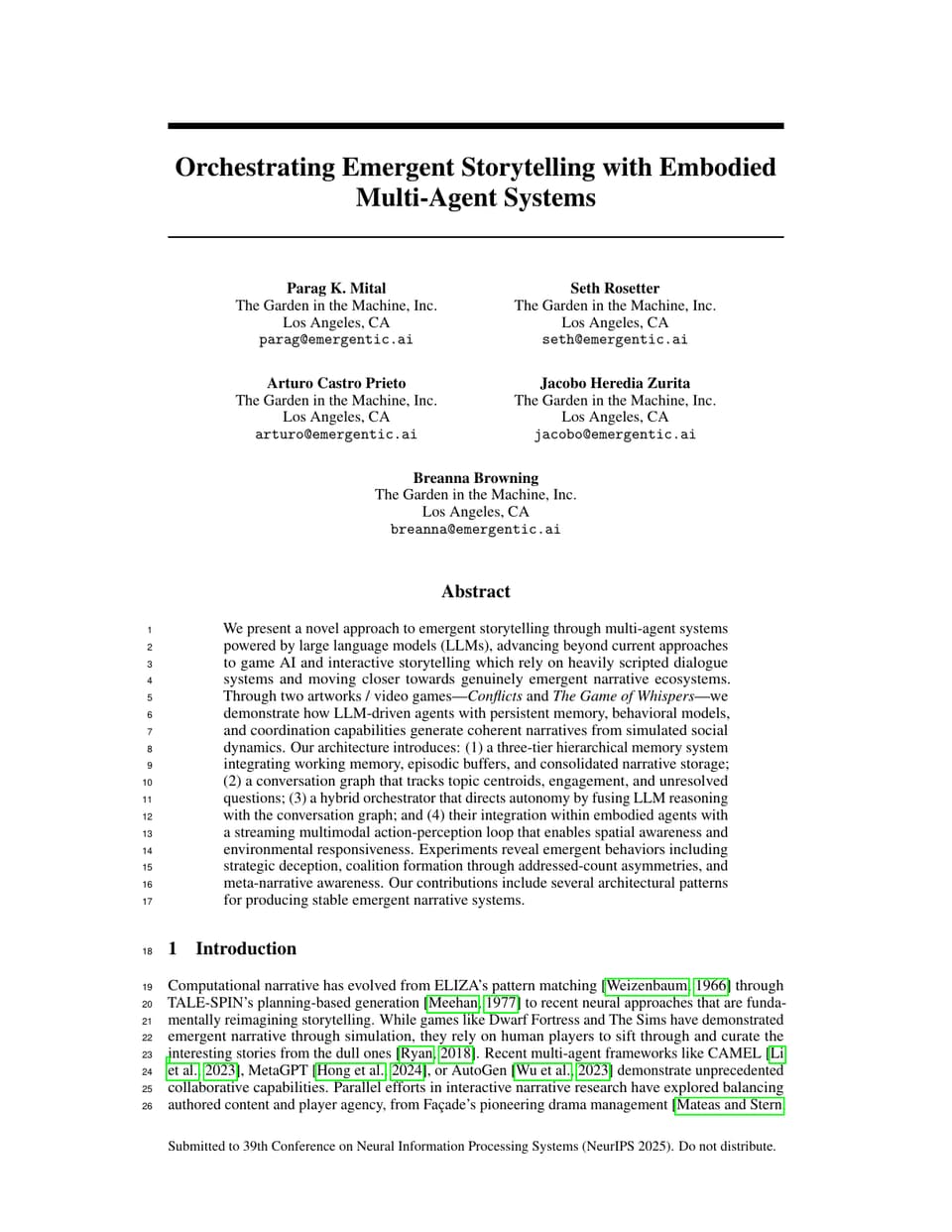
Our NeurIPS 2025 work explores how embodied agents, designed environments, and interaction traces can support emergent storytelling and collective behavior research.
Build and review an initial system for free. Add capacity, collaboration, and support as your simulation program grows.
Get in touch
Bring the proposal, the people it affects, and the alternatives you want to test.