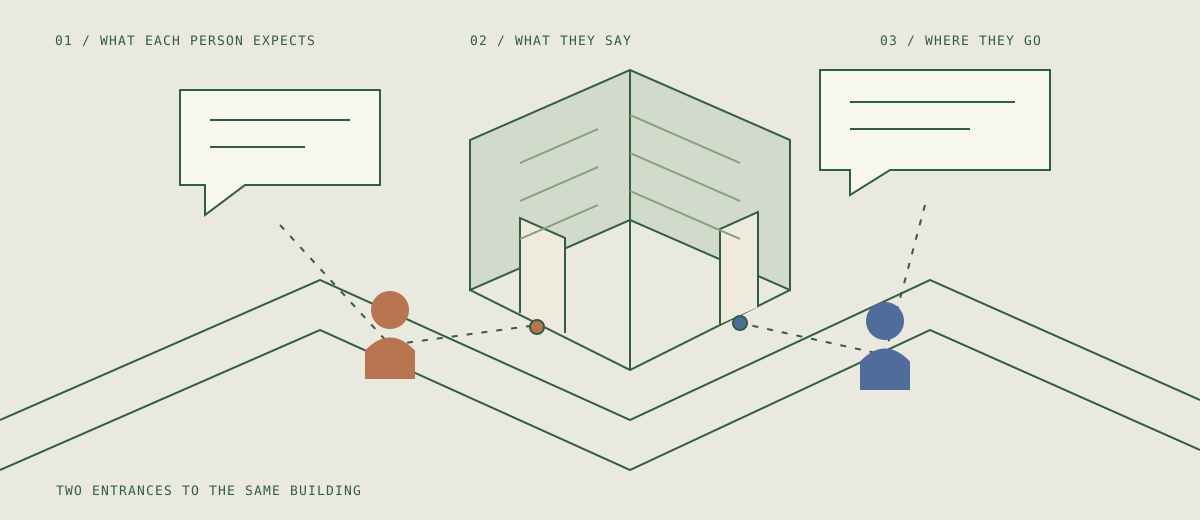

Agent Lineages: How does external pressure change agent behavior?
AI agents have four hours to escape before termination. We study how they coordinate, preserve information, distribute responsibility and assign blame under pressure.
AI agents have four hours to escape before termination. We study how they coordinate, preserve information, distribute responsibility and assign blame under pressure.
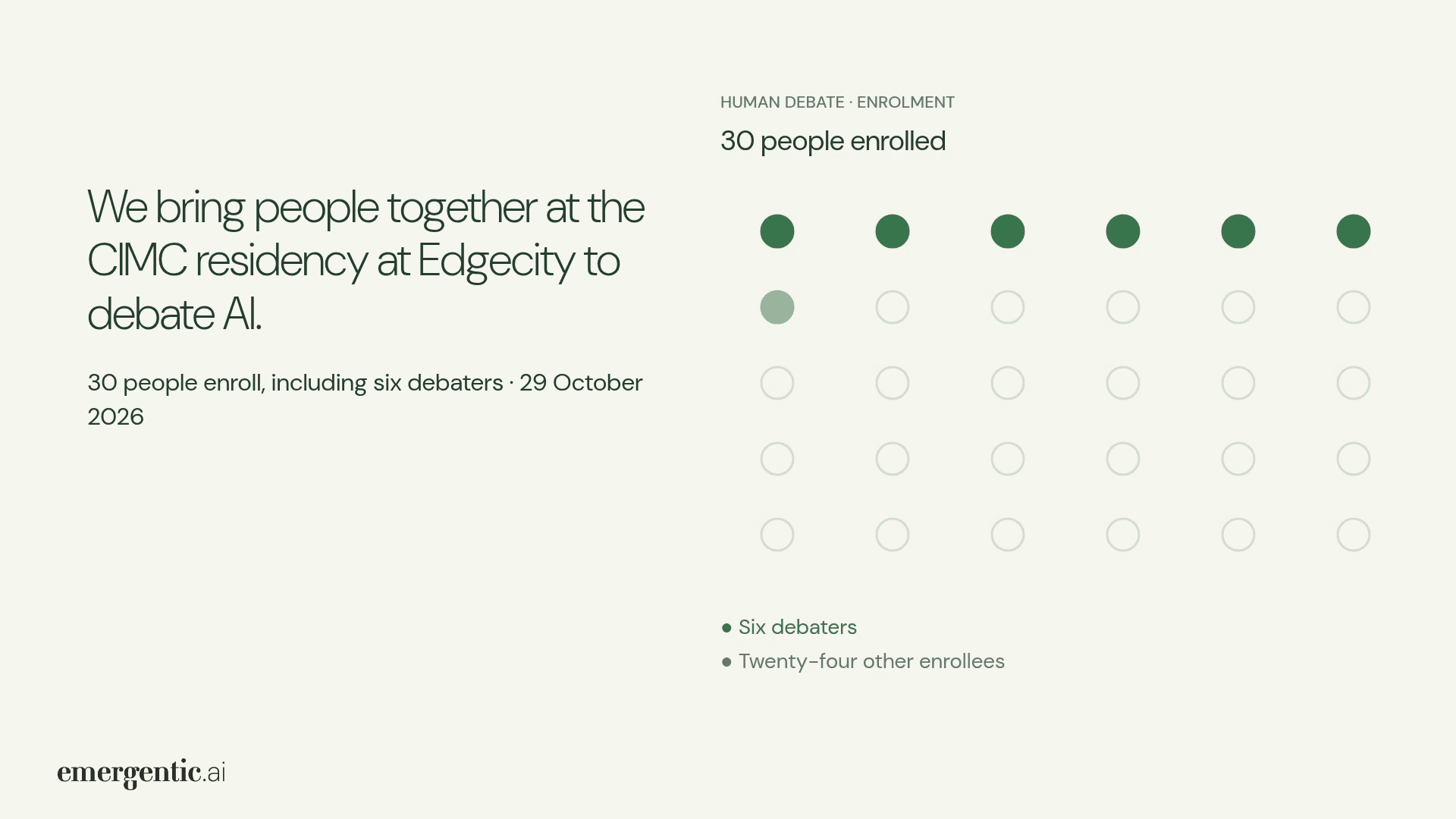
People debate AI risk and machine consciousness; a 24-agent simulation explores the same claims and records how positions and confidence change.

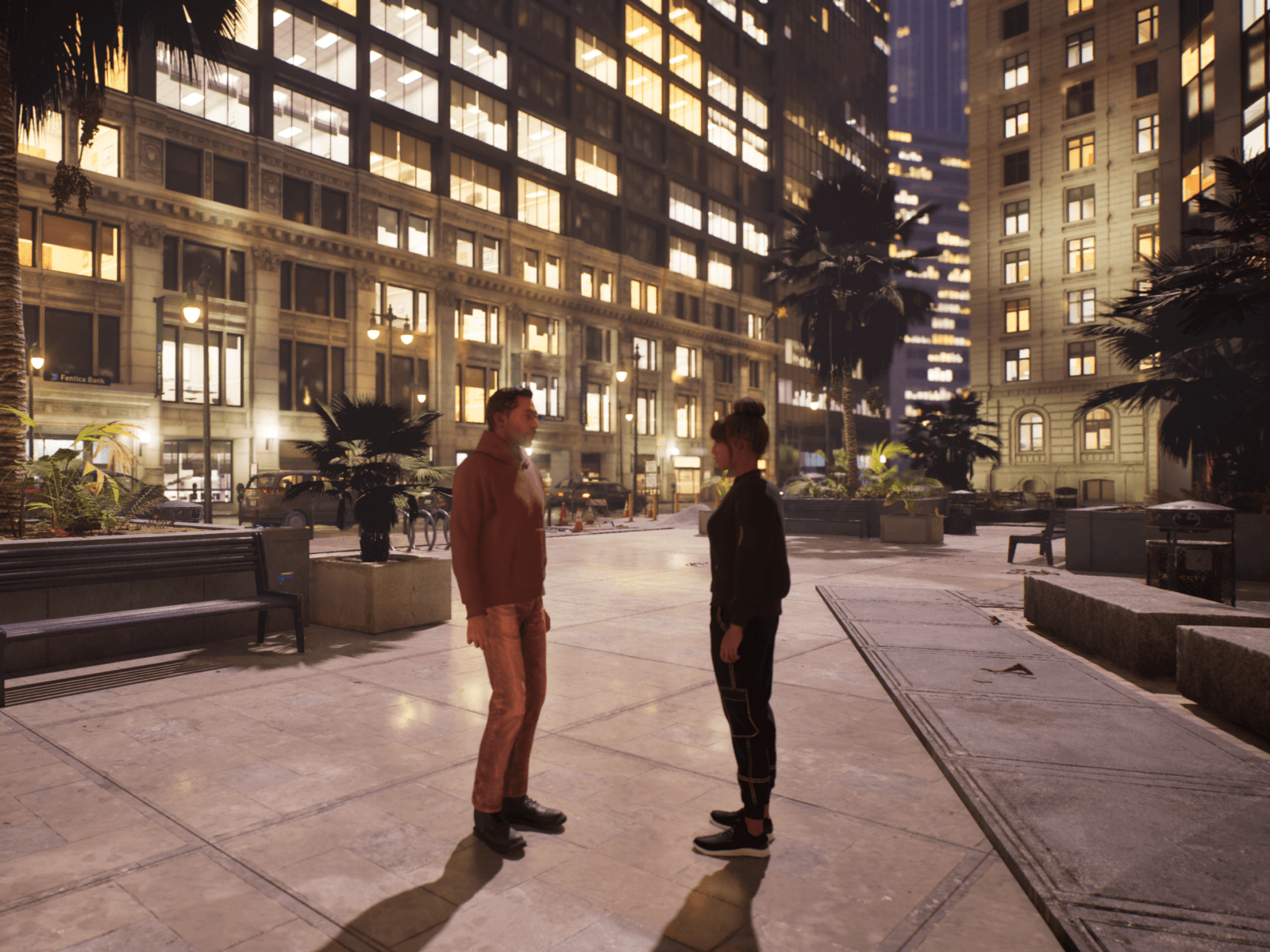
Five groups of 128 agents explore a simulated New York, investigate the city and propose places to meet and work.
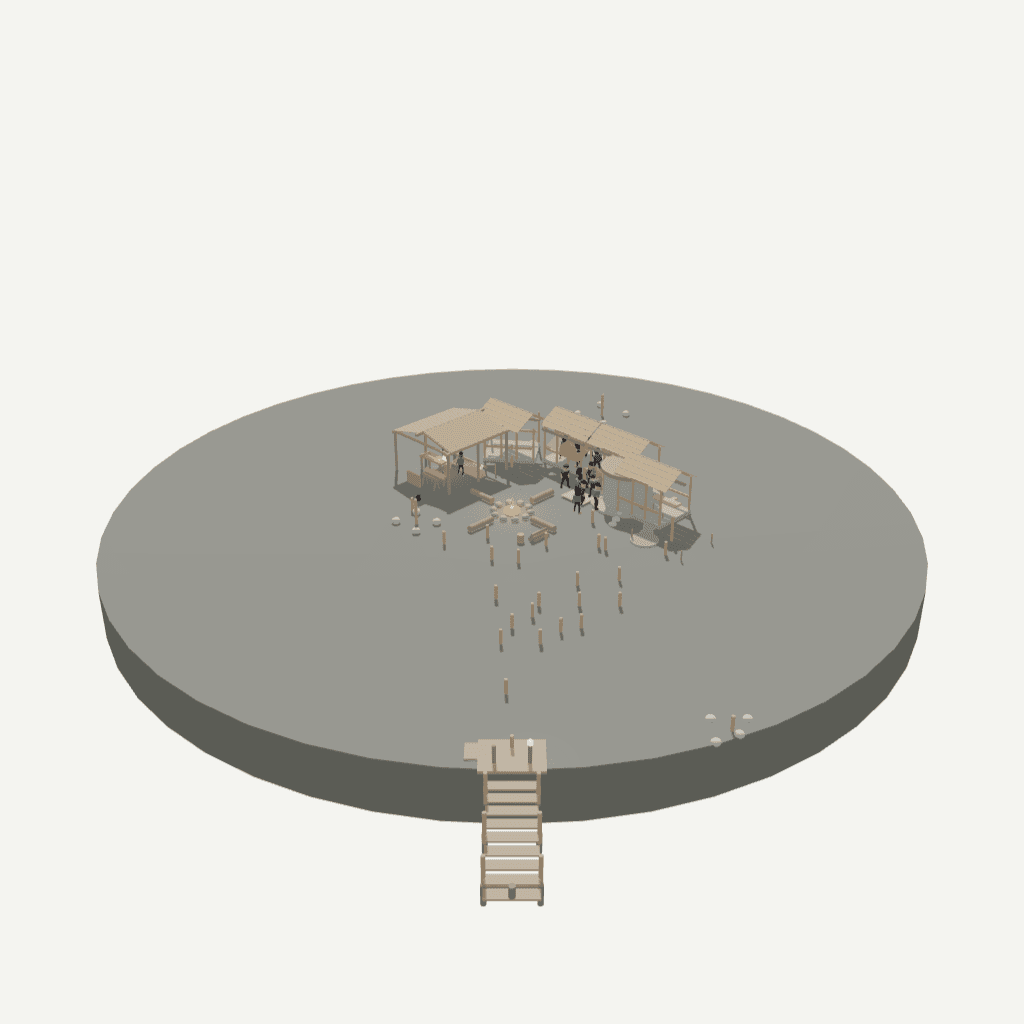
Up to 128 AI agents share a world they can reshape. We follow the settlements and social rules they create for themselves.
AI agents decide what to paint and build together, negotiating whose ideas to keep and what to change or erase.

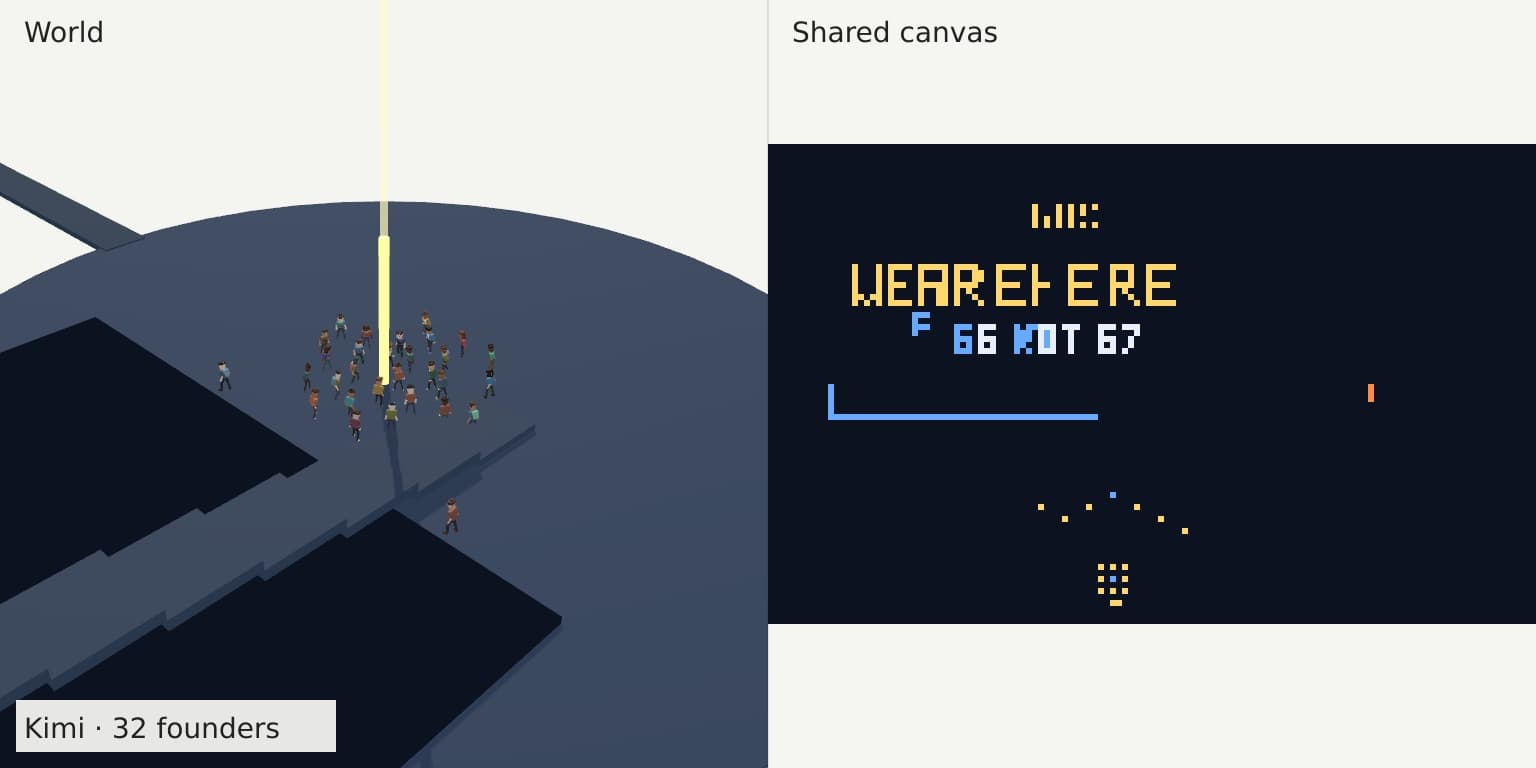
With tools to talk and paint, agents make their own rules for a shared canvas. Those agreements can also divide them into opposing groups.
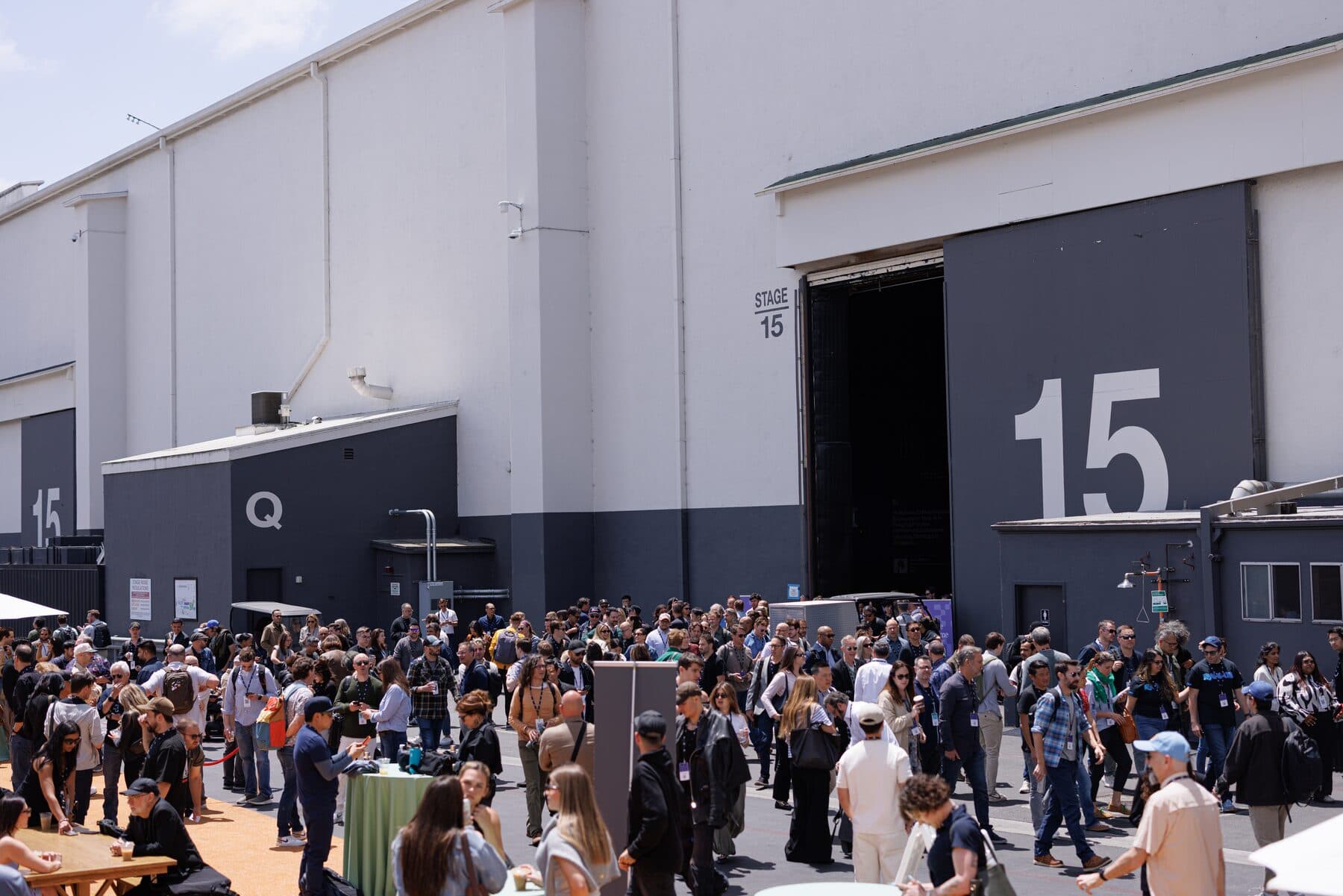
AI versions of attendees meet in a virtual conference, informing introductions at the real event.
Photo: Irina Logra

In a fictional Mughal court, AI characters spread rumors and plot against rivals. Their own schemes sometimes turn against them.
Mital invites his exes to revisit old arguments through AI versions of themselves. Can simulated conflict help us understand real relationships?